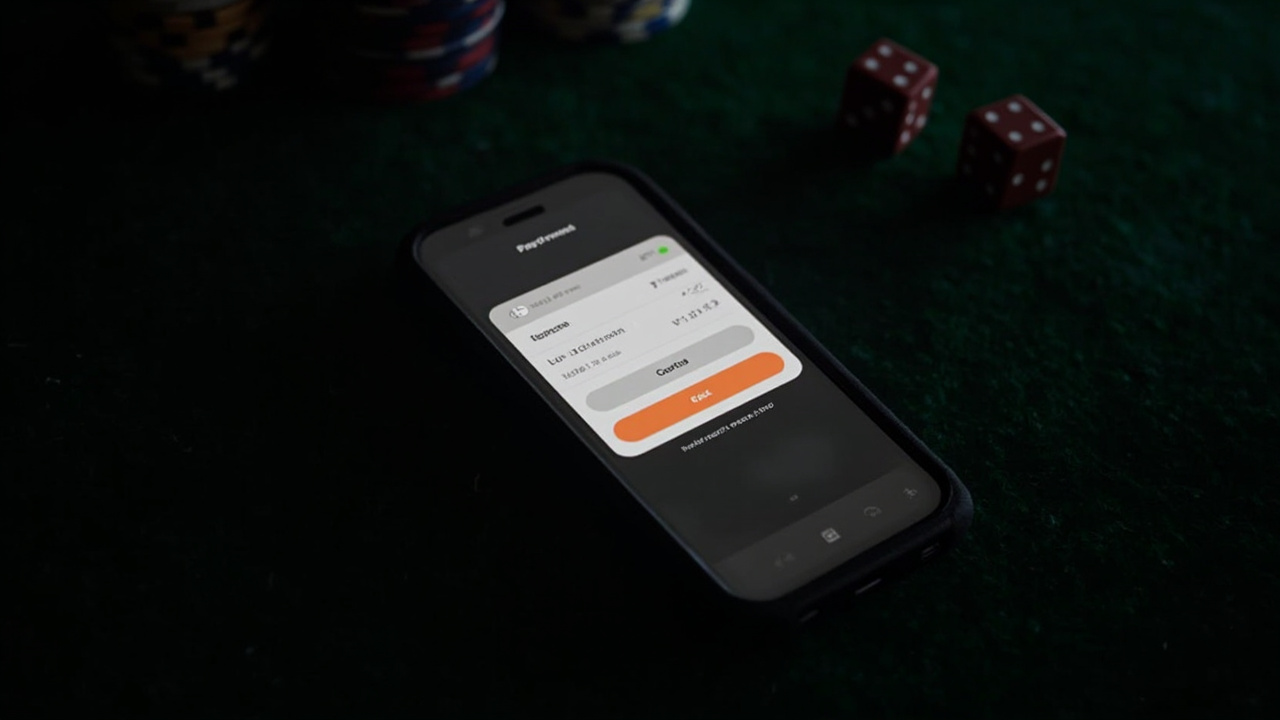
When a player opens a blackjack table that advertises a Perfect Pairs side bet, the first thing they usually notice is the split-screen layout: the main hand on the left, the pair-pay grid on the right, and a cashier prompt asking how much they want to stake. The free-play version of that same screen is useful precisely because it strips out the money pressure while keeping the decision tree intact. Before anyone moves from demo chips to a real deposit, it helps to understand how the side bet behaves, where Google Pay fits into the payment flow, and what the local rules actually say about accessing these tables from Australian devices. For readers comparing operators, a spin samurai review can show how one site structures its blackjack lobby, but the mechanics below apply regardless of which lobby you land in.
How the free-play table introduces the Perfect Pairs side bet
In a typical free-play session, the Perfect Pairs wager sits as a separate box beneath the main bet controls, and the interface usually lets you toggle it on or off before each hand. The side bet pays out when the first two cards dealt to your main hand form a mixed pair, a coloured pair, or a perfect pair, with the payout scale printed directly on the felt or in the help tab. Free play is valuable here because the pair frequency is visible over a long run of hands, so a player can see whether the payout table matches what actually lands. From a country-management perspective, the best demo pages do not hide the pay table behind a tooltip; they keep it on screen because that is what lets a new player judge whether the side bet is worth carrying into a real session. The demo also shows the speed of the shoe, the auto-deal option, and whether the table rounds down or rounds nearest on the main hand, all of which matter when you later switch to a funded account. A practical habit is to run at least a few hundred free hands and note how often pairs appear relative to the printed payouts, because that is the only way to separate a fair table from one that looks generous on paper.
The payment side of that transition is where Google Pay usually enters the picture. In a funded account, Google Pay acts as a one-tap checkout method that passes your card or wallet token through the cashier without making you re-enter details on every deposit. The free-play version does not touch your wallet at all, but it does teach you where the cashier button sits, how the stake selector behaves, and whether the table lets you adjust the side-bet amount independently of the main bet. That familiarity matters on mobile, where a cluttered cashier can turn a simple top-up into a slow arvo-long exercise. If you are testing the flow on a phone, the demo should let you rehearse the tap sequence without any real money moving, which is the point of keeping the free-play mode separate from the funded cashier.
What Google Pay changes for deposits and the cashier flow
Once you move from free chips to a funded account, the cashier typically lists Google Pay alongside cards, e-wallets, and sometimes bank-transfer options, with the exact roster depending on the operator’s Australian-facing setup. The useful detail is not that Google Pay exists, but how it changes the deposit rhythm: you choose the amount, confirm through the wallet prompt, and the credit usually appears in the account balance without a separate receipt page to chase. For a blackjack player who wants to stay focused on the table rather than the banking tab, that shorter flow is the practical advantage. The catch is that the wallet only covers the deposit side; withdrawals still follow the operator’s standard payout path, which often means returning to the original funding method or using a linked card or bank option, depending on the site’s rules. In my experience managing country-level payment flows, the operators that treat Google Pay as a genuine shortcut rather than a decorative button are the ones that keep the cashier limits, currency display, and verification steps consistent across the same screen. That consistency is what stops a player from accidentally staking in the wrong currency or hitting a hidden minimum that only shows up after the wallet confirmation.
Australian-facing sites also have to deal with the reality that local players often compare pub and RSL pokies culture with online play, and that comparison is useful here because it frames what Google Pay actually solves. At a local venue, the money movement is physical and immediate; online, the cashier becomes the pacing layer between you and the table. A wallet deposit shortens that layer, but it does not change the fact that the side bet still has its own house edge and its own payout schedule. For readers in Cairns or anywhere else along the coast, the practical question is not whether Google Pay is convenient, but whether the operator’s cashier is transparent about limits, processing times, and the currency shown before you confirm. A measured operator will display the deposit amount, the currency, and any pending verification status before the wallet prompt appears, which is the kind of design choice that reduces friction without pretending the transaction is risk-free.
What this means for Australians playing Perfect Pairs online
The main development for local players is that Google Pay can make the deposit step quicker, but it does not alter the underlying blackjack maths or the rules that govern access from Australian devices. What changes is the pace at which you move from free play to a funded table, and that pace matters if you want to test the Perfect Pairs pay table before committing real money. The practical consequence is that a demo session should be treated as a scouting run: check the pair payouts, note the shoe speed, and confirm that the cashier shows the amount and currency clearly before you tap through the wallet. It is also worth remembering that Australian-facing operators are not all built the same, and the ones that separate the free-play lobby from the funded cashier with clear labels tend to make the transition less confusing. As Sophie O’Brien, Senior Market Analyst, Pacific Player Protection Institute, puts it, “The wallet is a convenience layer, not a filter on risk, and players who treat it that way make better decisions about when to switch from demo to funded play.” That is the kind of judgement call that matters more than any marketing language about speed.
For players comparing options, the regional detail that matters is whether the site’s support and verification flow matches the payment method on the front end. If Google Pay is the deposit route, the account checks, the displayed limits, and the withdrawal path should all be visible in the same language and the same currency, rather than buried in separate pages. Jack Smith, Lead Gaming Analyst, Red Centre Analytics, notes that “when the cashier and the wallet prompt disagree on currency or minimum amounts, players usually blame the wallet when the issue is actually the underlying site configuration.” That is a useful caveat because it keeps the focus on the operator’s setup rather than on the payment button itself. In a market where local players are used to the straightforward feel of a pub pokies floor, the online equivalent is a cashier that does not force you to relearn the rules every time you fund the account.
FAQ
Can I use Google Pay in the free-play version of Perfect Pairs blackjack?
No, the free-play version does not touch your wallet at all, because it runs on demo credits that are separate from any funded account. Google Pay only enters the picture once you move to a real deposit and the cashier lists it as a payment option. The point of the free-play mode is to let you rehearse the table layout, the side-bet toggle, and the stake controls before you ever confirm a wallet transaction.
When you are ready to fund your account, you will need to verify your location and identity through standard regulatory channels. This step ensures compliance with local gaming laws, which you can read more about at Gaming and Racing Victoria. Keeping your personal details up to date helps prevent any interruptions during the withdrawal process.
Does the Perfect Pairs payout table change between free play and a funded table?
On a well-built site, the pay table stays the same between the demo and the funded version, because the side bet is defined by the game rules rather than by the balance type. The practical check is to read the printed payouts in free play and then confirm they have not shifted once you enter a real-money table. If the numbers differ, that is a sign to stop and read the game info before staking anything. Reddit
What should I check in the cashier before confirming a Google Pay deposit?
Before you tap through the wallet prompt, check that the displayed amount, the currency, and any minimum or maximum deposit limits match what you intended to stake. It is also worth noting whether the site flags any pending verification step before the deposit goes through, because that affects how quickly the balance becomes available for play. The wallet can be fast, but it cannot fix a cashier that is unclear about the numbers on the screen.