The pokies are humming at 2am, the floor staff are moving trays of coins past the high-limit saloon, and a bloke in a stubby just lost his shirt on a side bet he didn’t understand. I’ve run floors across eight properties and opened six venues in Asia-Pacific markets, and I’ll tell you straight: the games with the highest house edge are rarely the ones players blame. They’re the ones dressed up as quick fun, where the vig is baked into the maths long before anyone cracks a beer. If you’re chasing a fast arvo session on a Melbourne weekend, knowing which tables and side wagers bite hardest is the difference between a sensible night and a wallet that’s lighter by Sunday.
The Edge Maths Behind the Floor
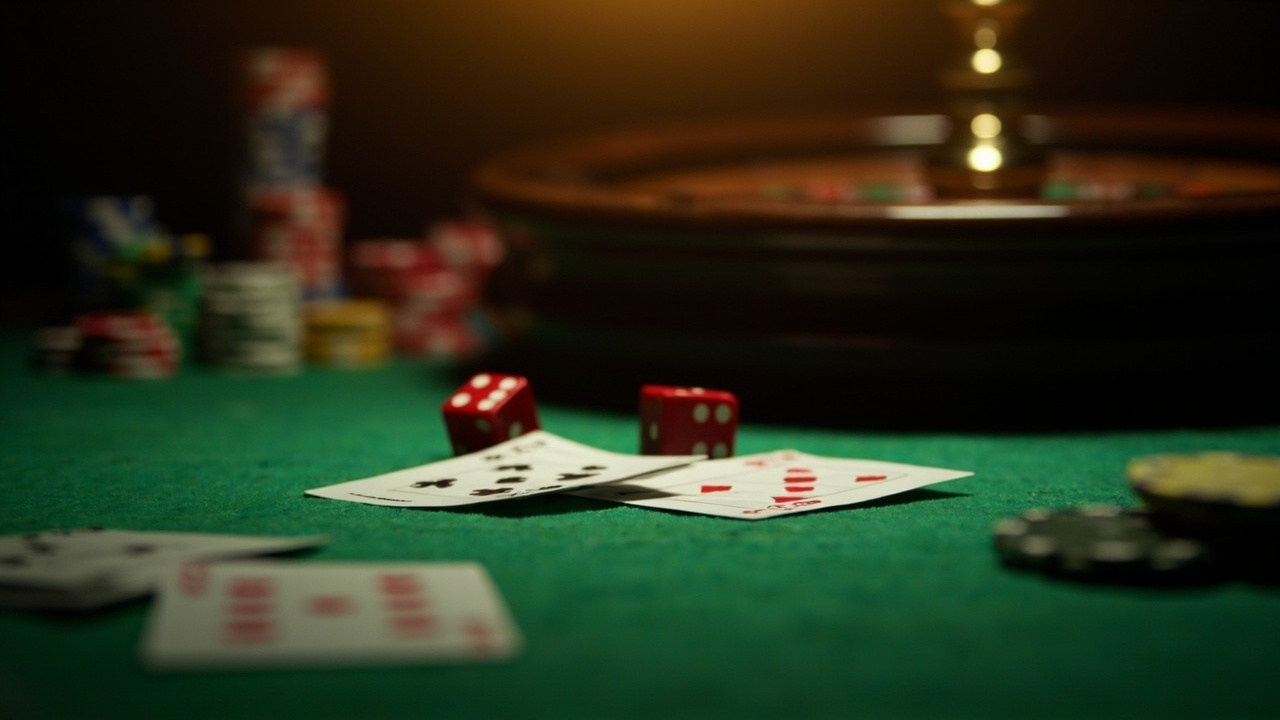
House edge isn’t a trick – it’s a built-in advantage expressed as a percentage of every bet the operator expects to keep over the long run. On a standard blackjack table played with perfect basic strategy, the edge can sit near 0.5%, but slap on a 6:5 blackjack payout instead of 3:2 and you’ve just pushed that figure well past 1.5%. I’ve seen operators in Asia-Pacific launch with 6:5 tables on the main floor because the hold improves overnight, and I made the call to keep them off the high-traffic strip during our pre-opening in Melbourne – the maths doesn’t lie, and regulars notice the difference once they’ve run the numbers on a proper strategy chart. The real sting comes from side bets, bonus wagers, and game variants where the advertised fun masks a much steeper vig. Casino dice are precision-made to tolerances tighter than a fraction of a millimetre, yet even on a clean table the edge on craps propositions can climb past 10% on the horn and any-seven wagers. The lesson is simple: the flashiest bet is often the most expensive one per spin or roll, and that’s where the operator’s return gets built, quietly and consistently. For a deeper look at how these numbers stack up across the floor, fullmetalgalaxy.com breaks down the variants that quietly carry the steepest vig.
Side Bets, Variants, and the Bets That Bite Hardest
Blackjack 6:5 and the cost of a “small” payout change
A single rule tweak can double the edge, and 6:5 blackjack is the textbook example. When a natural pays 6:5 instead of 3:2, you’re handing back roughly an extra 1.4% to the house on every blackjack, which compounds fast over a busy session. I’ve watched players treat a $20 table like it’s cheap fun because the minimum looks friendly, then lose track of the fact that the payout compression is doing the real damage. If you’re sitting down on a Friday arvo in Melbourne and the table felt looks normal, check the felt for the payout language before you put money in the tray – 3:2 is the marker you want, and anything else is a quiet tax on your blackjack hands.
Roulette single-zero versus the American double-zero trap
European single-zero roulette sits around a 2.7% edge, while the American double-zero layout pushes that to 5.26% across most outside and inside bets. The difference sounds small until you realise it’s nearly double the vig on every spin, and the five-number basket bet on the American wheel makes it worse still at 7.89%. I’ve run properties where the floor mix included both layouts, and the double-zero tables always drew the casual crowd who didn’t read the wheel – they saw red and black and assumed the game was the same. It isn’t. If you’re picking a wheel, single-zero is the clearer choice, and the basket bet on a double-zero layout is one of the priciest spots on the floor per dollar wagered. fullmetalgalaxy.com
Craps proposition wagers and the illusion of a quick hit
Craps looks lively, but the proposition bets on the layout carry some of the steepest edges in the building. Any-seven, the horn, and the field with a double-2 or double-12 payout all sit well above 10% in places, which is why seasoned players stick to the pass and don’t pass lines with odds. I’ve stood behind a table in a busy Asian-Pacific launch where the props were moving fast and the regulars were quietly steering new faces toward the line bets instead – not to be difficult, just because the maths on the side wagers is brutal over a couple of hours. The dice themselves are exact, but the layout’s proposition bets are where the edge bites, and that’s the part most first-timers miss when they’re chasing a quick hit.
Player-Fit: Who Should Touch These Games at All
If you’re the sort of player who wants a measured session and a clear sense of what each bet costs, the high-edge games are easy to sidestep once you know where to look. Stick to single-zero roulette, 3:2 blackjack, and the core craps lines with odds, and leave the side wagers and basket bets alone unless you’re explicitly accepting the vig as the price of a short, social fling. Never gambling with money you can’t afford to lose is the golden rule, and it matters most on the games where the edge is highest – because the speed of loss on a proposition or a 6:5 table can outpace a bankroll before a session feels like it’s really started. For players who want the floor experience without handing over the extra percentage, the fit is straightforward: choose the tables with the lower vig, keep your bets consistent, and treat the high-edge wagers as optional entertainment you’ve already priced in. If a venue’s layout pushes the expensive bets right up front and the low-edge options are buried, that’s a floor design choice worth noting before you buy in.
The takeaway is simple: the games with the highest house edge aren’t hidden, they’re just dressed up as quick fun. Read the felt, pick the lower-vig tables, and keep your session within a bankroll you’re comfortable with – that’s how you keep a night out enjoyable rather than expensive.